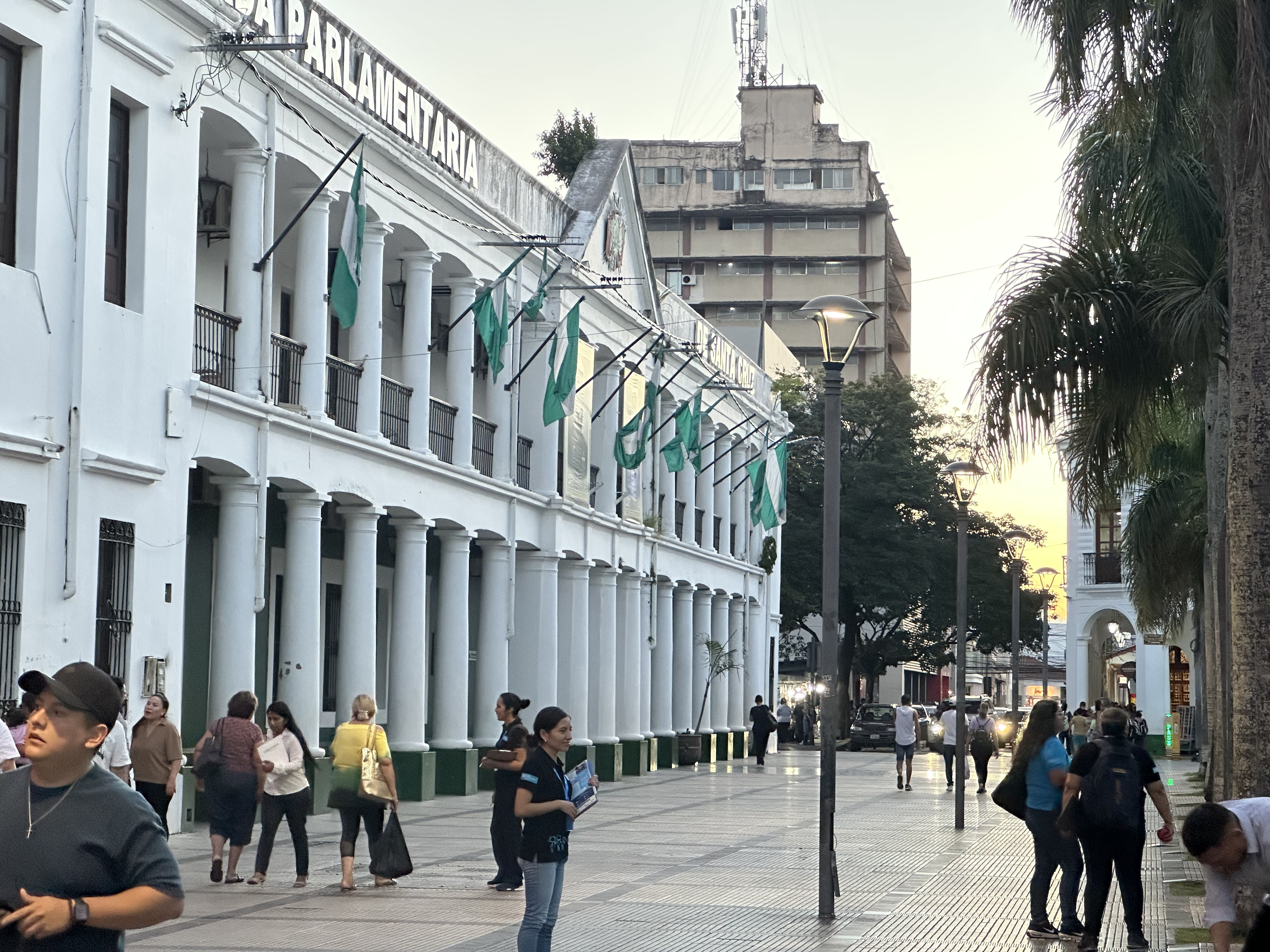
The first thing you notice on landing in Santa Cruz is the heat. The second is the traffic. The third, once you have been in town for a day or two, is that almost nobody you meet will describe themselves as boliviano first. They are crucenos first, and they are not shy about telling you the difference.
Santa Cruz de la Sierra is the largest city in Bolivia, and it has been steadily pulling the country's economic gravity toward itself for two decades. Soy, gas, cattle, export agriculture, services, construction. The crucenos do the math in their own favor, and they do it loudly.
An Older Story Than You Think
The independentista sentiment in Santa Cruz is not a political fashion. It has roots that go back to the nineteenth century, to the period when the city was closer to the world of the rio de la plata than to the world of la paz, closer in trade, closer in mood, closer in ambition. Every generation since then has had its own version of the argument. Why are we sharing a flag with a government that does not share our economy. Why are the rules written in the altiplano when the money is made in the llanos. Why is the future of Bolivia being decided by people who have never seen a soy harvest.
The argument is not theoretical. In 2008, Santa Cruz held a referendum on autonomy. In 2019 the city was at the center of the protests that ended the Morales presidency. In 2022, a month long strike over a census that nobody in the national government seemed to want to conduct turned into one of the most serious standoffs in recent bolivian history.
Life in the Tropical Bolivia
But the thing the maps do not tell you is that Santa Cruz is also just a wildly likable city. The food is heavier and richer than in the altiplano. The music is cumbia and reggaeton and a kind of jazz played in the old theaters of the casco viejo. Young people dress like they are going out even when they are not going out. There is something lisbon like about the streets at dusk, if Lisbon had parrots and temperatures of thirty six degrees.
What It All Means
Santa Cruz is not going to leave Bolivia. It probably cannot. But it is going to keep asking, loudly, what Bolivia is supposed to be, and who gets to decide. Cities like this are how federations get rewritten without breaking.
If you want to understand Bolivia in 2026, you should spend a weekend in La Paz and a week in Santa Cruz. The weight is shifting. You can feel it in the pavement.