The first time you stand in front of the Perito Moreno glacier, your brain refuses to agree about scale. You are looking at a wall of ice sixty meters high and five kilometers wide, and your camera insists on making it look like a backdrop. It is not a backdrop. Every few minutes an ice block the size of a building shears off the face and falls into the milky lake with a sound that your lungs feel before your ears do.
This is the first lesson of Patagonia. Nothing here fits on a screen. You will try. You will fail. That is the point.
The Geography of Too Much
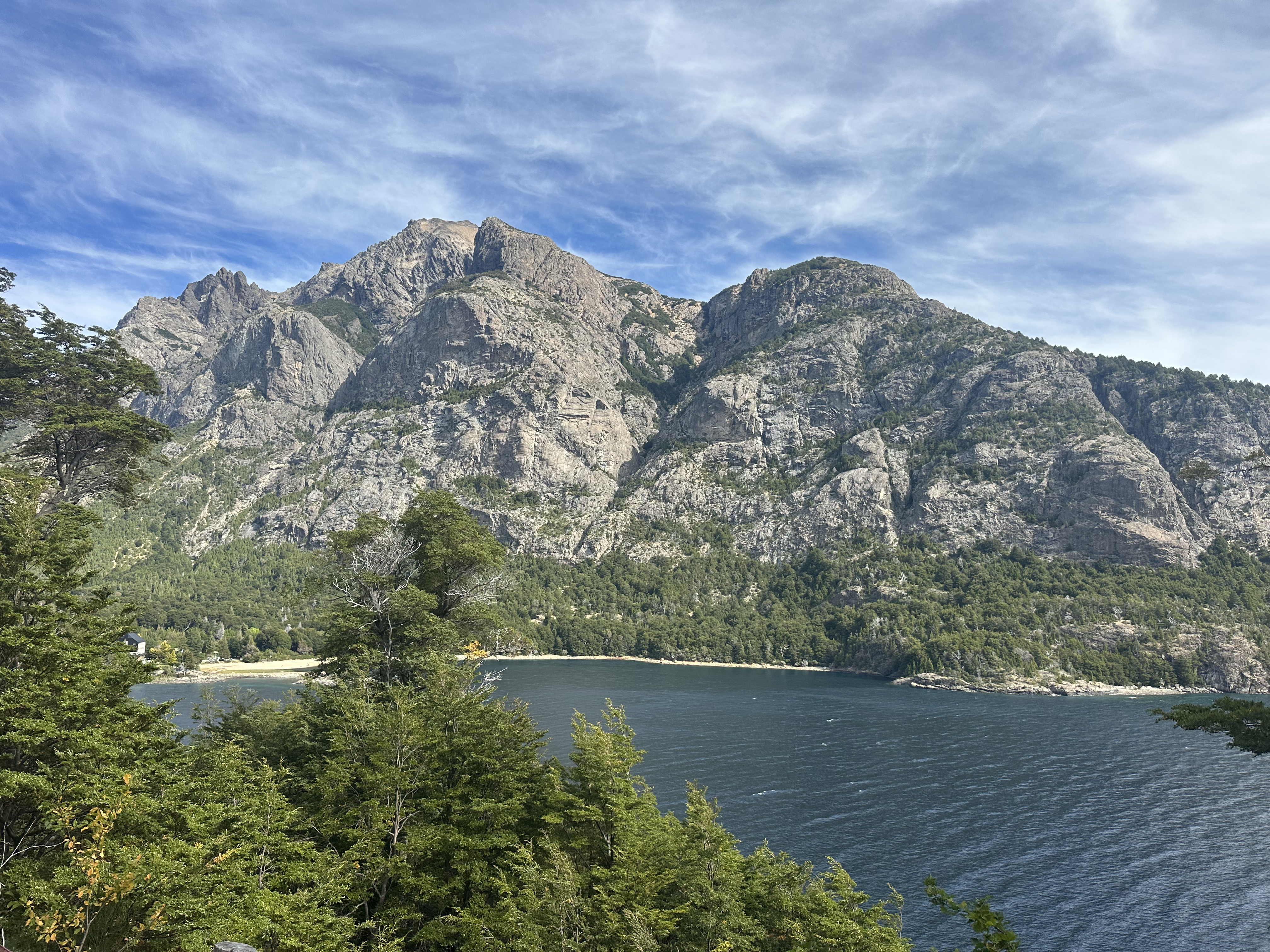
Argentine Patagonia is a territory larger than most european countries, populated by fewer people than a single medium sized brazilian neighborhood. It extends from the lake district around bariloche, through the wind swept steppe of central chubut, down to the glaciers of santa cruz province and the cold islands of tierra del fuego. In the course of a long road trip you will see desert, forest, ocean, and ice in the same week, and each one will convince you that it is the real patagonia and the others were warm ups.
The economy of the region is still a little nineteenth century. Sheep, wool, wind, oil, lamb in the restaurants, wool in the shops, wind in every conversation. Tourism has grown, but the land has not shrunk, and the land still wins most of the arguments.
What You Miss If You Only Go to El Calafate
Most travelers land in El Calafate, take the glacier tour, eat a lamb dinner, and fly out. There is nothing wrong with that visit, but it is a preview. The real argentine patagonia is in the long drives between the towns. It is in the moment when your car is the only car on the national route forty for twenty kilometers and the only sound is the wind against the windshield. It is in the tiny hosterias in el chalten where the owner knows the names of the mountains in the way that a bartender knows the names of the regulars.
Why It Still Matters in 2026
Wildness is a disappearing resource. Most of the world's remaining big empty spaces are either fragile or off limits or too expensive or all three. Patagonia is still comparatively accessible, still comparatively intact, and still comparatively honest about what it is. It does not have to pretend to be rugged because it is, in fact, rugged. The people who live there are not performing frontier life. They are just living at the end of the road.
If you are planning one nature trip in your life that you want to remember for the rest of it, this is the one. Bring more socks than you think you need. Bring fewer opinions. Let the land do the talking.