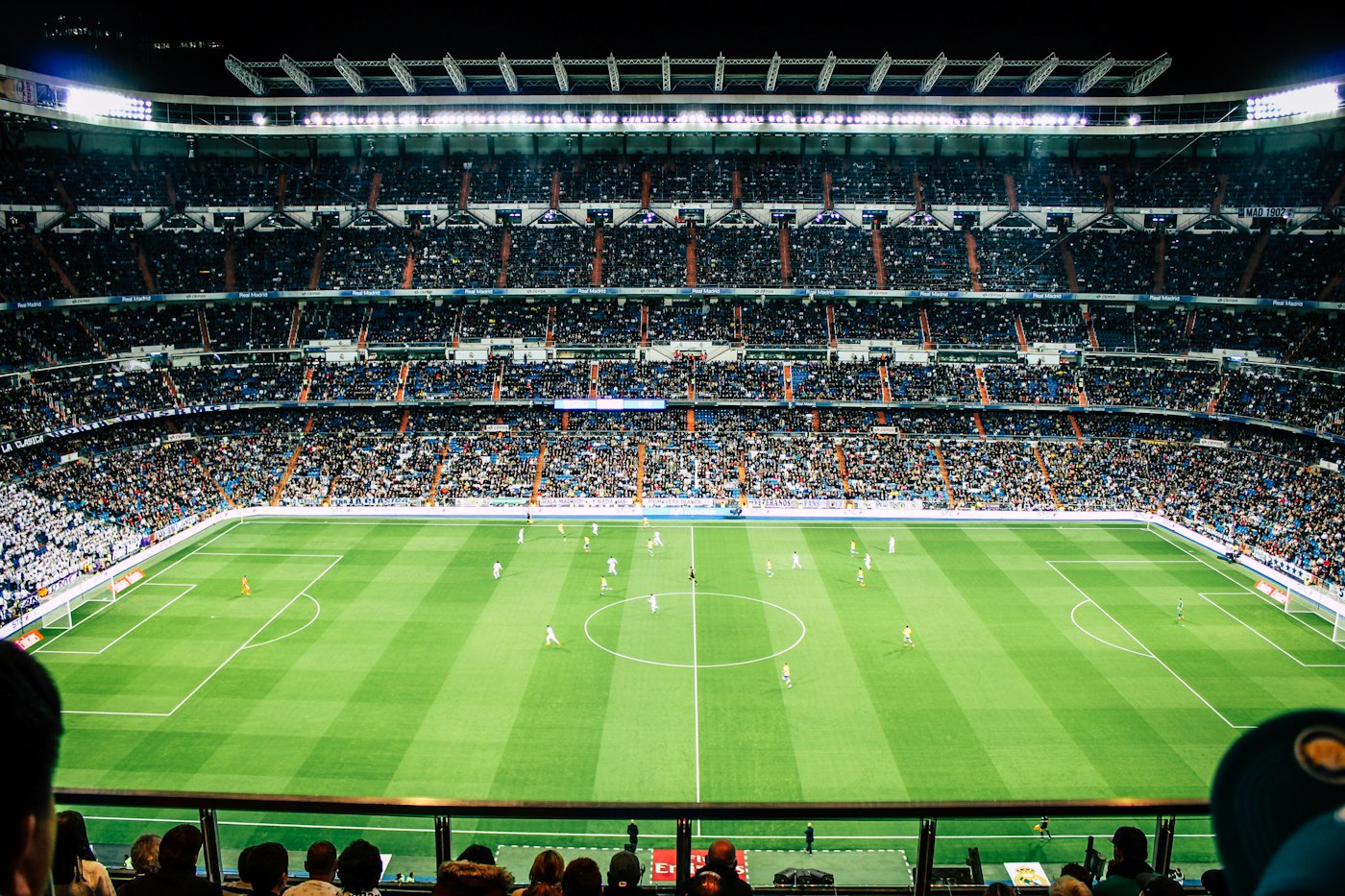
In a cafe on Avenida Busch in La Paz, on the afternoon Argentina plays its first match of the World Cup, the television is on and nobody is pretending not to watch. The waiter leans on the counter. Two men at the corner table stop their conversation mid sentence. A woman by the window has a glass of coffee getting cold in her hand.
This is the strange position a bolivian finds himself in during a World Cup year. You watch, because this is South America and you cannot not watch. But you watch the way someone watches a wedding they were not invited to.
The Country That Almost Was
Bolivia has been to three World Cups in its history. The first was 1930 in Uruguay, because it was the first one and everybody went. The second was 1950 in Brazil. The third, and the one most people still remember, was the United States in 1994. The boys in green who flew to Washington and ran through the group stage without winning a game but with a dignity that the altiplano still talks about.
Nothing since then. Three decades of qualifiers that ended in tears, of friendly matches that felt heavier than they should, of moments of hope that dissolved before kickoff. The altitude of La Paz, which used to be the country's most famous home field advantage, became less of an advantage when FIFA started threatening bans on high altitude matches and when the rest of the continent sent teams with oxygen and patience.
Why It Still Matters
Football in Bolivia is not a sport in the way that it is a sport in Europe. It is a stand in for national mood. When the selection wins, the country walks a little taller. When the qualifiers end the way they usually end, people stop talking about it for a week and then start telling each other that next time will be different. This year, next time is not even in sight.
The quiet grief of watching without Bolivia is the grief of imagining what the parade on the Prado would look like, and knowing you will not see it. It is the grief of a father explaining to a son why the flag he is holding will not be among the flags on the television.
What You Do With It
You watch anyway. You cheer for Argentina because they are the neighbors, you cheer for Uruguay because they are the uncles, you cheer for Ecuador because they are the ones who made it and you remember what it feels like. And you promise yourself, the way every bolivian football fan has promised himself for three decades, that next time will be different.
Next time always will be. Some cities are built on that sentence.