In the first eleven months of his papacy, Leo XIV has already visited more countries than most popes visit in their first three years. Algeria. Cameroon. And a calendar for the coming months that, if leaked Vatican sources are to be believed, includes destinations that will make the diplomatic establishment uncomfortable in the best possible way.
Robert Prevost did not become pope to sit in Rome. Anybody who watched his career in Peru, his years as a missionary walking the roads of the northern highlands, his refusal to build the kind of desk life that most senior churchmen settle into, could have told you that. What nobody predicted was the scale of it.
Algeria: A Signal, Not a Visit
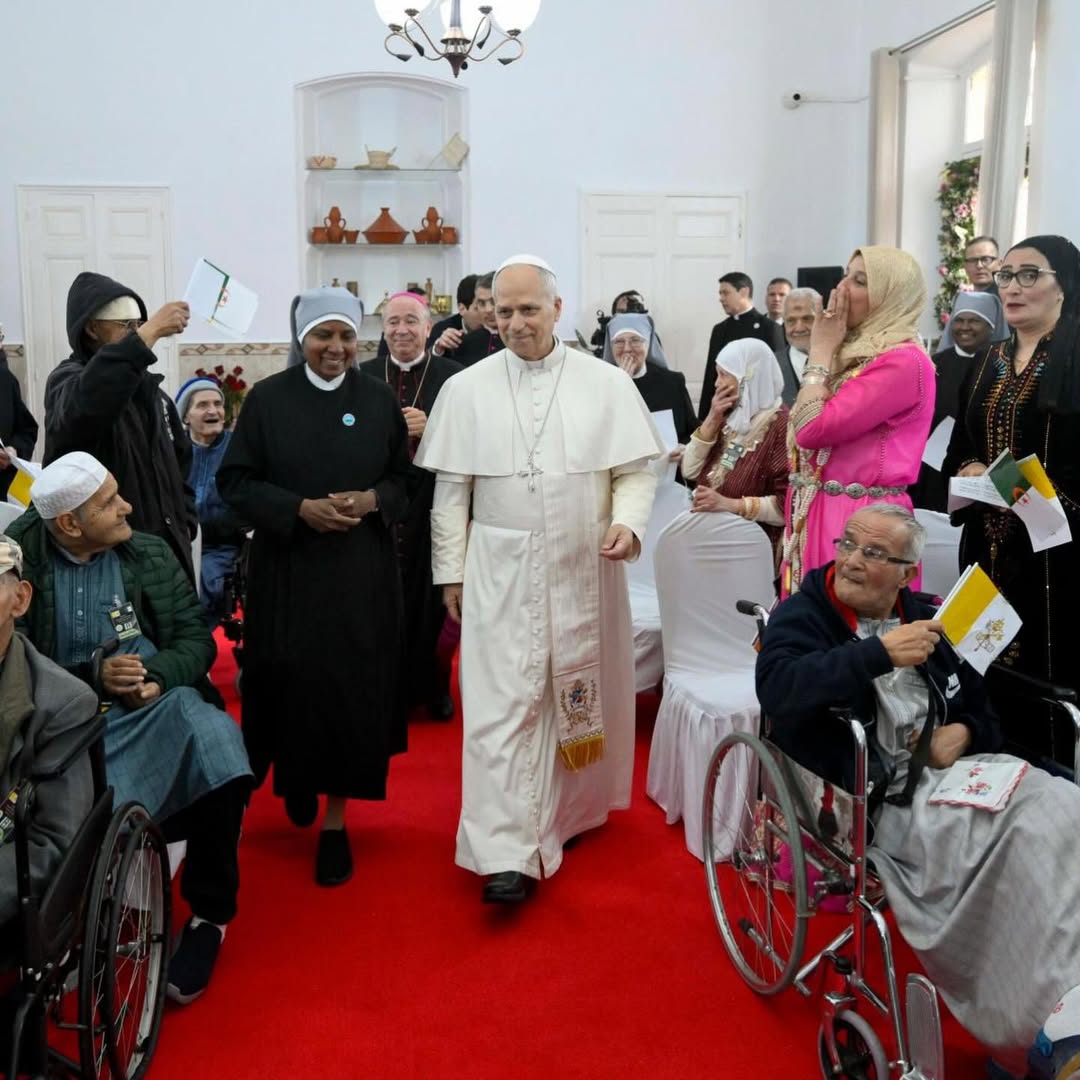
His trip to Algeria in early 2026 was the first papal visit to the country in decades. It was not a coincidence. Algeria is a majority Muslim nation with a small, old, quiet Christian community that has existed since the colonial era and that has, in the decades since independence, survived by being invisible. Leo did not go there to make it visible. He went there to listen.
What he heard, according to the few reporters who were allowed close, was a church that had learned how to exist without power. A church that prayed in apartments, that shared bread with neighbors who prayed differently, that had no interest in being rescued by Rome because it had already figured out how to live without Rome's attention.
Leo called it, in a brief address to the community in Algiers, the most honest church he had ever met. That sentence traveled further than any encyclical.
Cameroon: Where the Future Lives
Cameroon came next. If Algeria was a signal, Cameroon was a thesis. Sub Saharan Africa now accounts for the fastest growing Catholic population on the planet. By some projections, by mid century, a majority of the world's Catholics will be African. Leo went to Yaounde not to bless a growing flock but to take instructions from it.
He visited parish schools. He sat in on a catechism class taught by a twenty four year old woman who had memorized more scripture than most seminary graduates. He ate fufu with a family of eleven in a concrete house with no running water, and he did not photograph it. His staff did not photograph it. The family's daughter photographed it and posted it on her own terms.
That photograph, unmediated, unfiltered, the pope in a plastic chair with a plate of fufu and a face that looked like it belonged there, was the image of the trip. It was also, quietly, the image of the entire pontificate so far.
What Is Coming
Vatican sources suggest that the travel calendar for the remainder of 2026 includes stops in Southeast Asia, the Pacific Islands, and at least one country in Central America. None of these are standard papal destinations. All of them are places where the church is growing, changing, adapting, becoming something that Rome did not design.
Leo appears to be going to the places where the future of Catholicism is being built without permission. He is not going to approve or correct. He is going, by every indication, to learn.
Why It Matters to Nomads
A pope who travels is not new. John Paul II visited over a hundred countries. What is new is the intention. Leo is not traveling to be seen. He is traveling to see. Every destination is a thesis about where the church needs to pay attention. Every return flight is, reportedly, spent rewriting homilies based on what he observed.
For a publication called The Daily Nomad, there is something irresistible about a pope who treats the road as a classroom. Movement, for Leo XIV, is not a luxury. It is a method. The places he goes are not backdrops. They are arguments.
If the papacy has a future, it probably looks less like a throne and more like an aisle seat. Leo seems to agree.